In My Jesus Era Groovy Retro Svg Design
As an embroidery designer and product reviewer, I’ve seen my fair share of digital designs. Some are functional, others are trendy, and a few just don’t translate well into real-world projects. In My Jesus Era Groovy Retro Svg Design falls into the latter category—only with a twist. It’s not bad, but it requires careful consideration before being used in any serious embroidery project.
The First Impression: A Nostalgic Vibe with Limitations
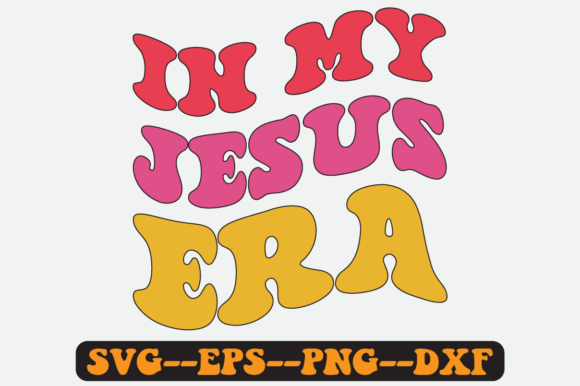
When I first opened In My Jesus Era Groovy Retro Svg Design, the retro aesthetic immediately caught my eye. The design has that classic 60s/70s feel—bold fonts, psychedelic swirls, and a general sense of whimsy. It’s clearly meant for a niche audience that appreciates vintage flair. But as a designer, I couldn’t help but notice some flaws.
The layout is a bit cluttered. While the groovy elements add character, they also make the design feel busy. This could be a problem when translating it to embroidery, where simplicity often wins. The text “In My Jesus Era” is the focal point, but the surrounding graphics tend to distract rather than complement.
For a design meant for embroidery, the level of detail is decent but not exceptional. It works on larger surfaces like t-shirts or tote bags, but on smaller items like baby onesies or patches, it might lose its impact. The visual personality is strong, but it needs more refinement for practical use.
Real-World Embroidery Use Cases
Let’s imagine I’m working on a custom embroidered tote bag for a client who wants something unique. In My Jesus Era Groovy Retro Svg Design could work here, especially if the client is into retro themes. The design would look great on a cotton tote, but I’d need to adjust the stitch density to ensure clarity.
On a sweatshirt, the design might appear too small unless the hoop size is large enough. For baby clothes, I’d be cautious. The design’s complexity could lead to stitching issues on thin, stretchy fabrics. A simpler version would be better suited for baby onesies or sleepers.
As an applique design, it might not hold up well on textured fabrics. The satin stitches could catch on rough surfaces, leading to pilling or distortion. For a patch, the design could work if simplified, but the intricate details might not survive the cutting and sewing process.
Where to Use It Carefully
There are several scenarios where In My Jesus Era Groovy Retro Svg Design might not perform as expected. Small hoop sizes are a challenge. If you’re trying to fit the entire design into a tiny hoop, parts of it may get cut off or distorted during stitching.
Textured fabrics like denim or corduroy can cause issues with the design’s fine lines and details. Thin or stretchy fabrics may not support the stitch density required for the design, leading to puckering or uneven results. Dark fabrics might also be problematic, as the thread color contrast could be too subtle.
Curved surfaces like caps or hoods require special attention. The design’s layout might not adapt well to these shapes, causing misalignment or stretching. Tiny lettering and detailed corners could be lost in the stitching process, making the final product less legible or unattractive.
Impact on Visual Appeal and Customer Perception
When it comes to visual appeal, In My Jesus Era Groovy Retro Svg Design has potential. Its bold style can make a statement on the right fabric. However, if not executed properly, it could look messy or unprofessional. Stitching clarity is key here. If the design is too dense, it might overwhelm the fabric and reduce the overall quality of the finished product.
For small business owners or Etsy sellers, this design could be a hit with the right audience. It adds value to handmade products and personalized gifts, especially if marketed correctly. But if the design doesn’t meet expectations, it could damage customer trust and brand consistency.
Giftability is another factor. A retro-themed design might resonate with certain buyers, but it’s not universally appealing. It’s important to consider the target market before using it in commercial projects. The design’s uniqueness could make it stand out, but only if it’s presented well.
Practical Designer Notes
Before jumping into any embroidery project with In My Jesus Era Groovy Retro Svg Design, I recommend testing it on scrap fabric. This will help you see how the design looks in real life and identify any potential issues. Check the thread color contrast to ensure the design stands out on different fabric backgrounds.
Review the stitch density to avoid overworking the fabric. Confirm the hoop size needed to accommodate the entire design without cropping. Inspect small details like the text and decorative elements to ensure they’re clear and sharp after stitching.
Test the design in black and white mockups to see how it translates without color. Compare it on light and dark fabric backgrounds to determine the best options. Use the proper stabilizer to prevent puckering or distortion, especially on delicate or stretchy materials.
Lastly, make sure the design works for both personal and commercial projects. Confirm licensing terms before selling finished items or digital products. This design could be a useful asset for craft businesses or boutique brands, but only if used responsibly.
Final Thoughts: A Design with Potential, But Not Without Challenges
In My Jesus Era Groovy Retro Svg Design has a nostalgic charm that could appeal to specific audiences. It’s visually engaging and offers a unique style for those who appreciate retro aesthetics. However, it’s not a one-size-fits-all solution for embroidery projects.
It works best on larger, flat surfaces where the design can shine without getting lost. For smaller items or delicate fabrics, it requires careful adaptation. As a designer, I’d recommend using it with caution and testing it thoroughly before incorporating it into any finished product.
If you’re looking for a bold, retro-inspired machine embroidery design, this could be worth exploring. But don’t expect it to be perfect out of the box. With the right adjustments and attention to detail, it could become a standout piece in your collection of design assets.